
Omnichannel Automation for Indian D2C Brands (Complete Guide)
Indian D2C brands are growing faster than ever.
But growth brings a new challenge:
Customers now interact with brands across multiple channels.
A typical customer journey may include:
- Instagram ad
- Website visit
- WhatsApp query
- Email reminder
- SMS delivery update
If these channels are not connected, brands lose both sales and customer experience.
This is where omnichannel automation becomes essential.
Instead of managing channels separately, omnichannel automation connects them into one coordinated customer journey.
What is Omnichannel Automation?
Omnichannel automation is a system that allows businesses to automatically communicate with customers across multiple channels using a unified workflow.
Instead of running separate campaigns on different platforms, omnichannel automation ensures that all communication is connected and coordinated.
For example:
A customer who abandons a cart may receive:
- Email reminder after 30 minutes
- WhatsApp message after 2 hours
- SMS notification after 24 hours
All of this happens automatically.
Why Omnichannel Matters for D2C Brands in India
Indian ecommerce consumers are highly active across multiple platforms.
Many customers prefer:
- WhatsApp for quick support
- Instagram for product discovery
- Email for offers
- SMS for delivery updates
If brands communicate on only one channel, they miss engagement opportunities.
Omnichannel automation ensures customers are reached on the channel they respond to the most.
Key Benefits of Omnichannel Automation
Higher Conversion Rates
Customers often need multiple reminders before purchasing.
Using coordinated messaging across channels increases the chances of conversion.
Better Customer Experience
Customers receive consistent communication across all touchpoints.
This improves trust and brand perception.
Increased Customer Retention
Omnichannel automation enables:
- Post-purchase follow-ups
- Loyalty campaigns
- Personalized product recommendations
This encourages repeat purchases.
Reduced Marketing Cost
Automation reduces the need for manual campaign management while improving targeting.
Key Channels in an Omnichannel Strategy
Most powerful channel for Indian ecommerce.
Uses include:
- Order confirmation
- Abandoned cart reminders
- Customer support
- Product recommendations
Best for:
- Promotions
- Newsletters
- Long-form communication
Email remains important for brand engagement.
SMS
Ideal for urgent communication such as:
- OTP verification
- Delivery updates
- Payment reminders
SMS ensures high visibility.
Website Live Chat
Captures customers while they are actively browsing.
Live chat automation helps reduce cart abandonment.
Important Omnichannel Automation Workflows
Abandoned Cart Recovery
Automated reminders across:
- SMS
This increases recovery rates significantly.
COD Confirmation
Automated verification reduces fake or non-serious orders and lowers RTO.
Order Updates
Customers automatically receive updates about:
- Order confirmation
- Shipment tracking
- Delivery status
This reduces customer support queries.
Repeat Purchase Campaigns
Brands can trigger reminders when customers are likely to reorder products.
This improves customer lifetime value.
How Omnichannel Automation Works
The system tracks customer behavior across different touchpoints.
For example:
Customer journey may look like:
Instagram Ad → Website Visit → Product Page → Cart → Exit
Automation can trigger:
- Email reminder
- WhatsApp offer
- SMS alert
All based on customer behavior.
Challenges Without Omnichannel Automation
Brands that manage channels separately often face problems such as:
- Duplicate messages
- Inconsistent communication
- Missed follow-ups
- Poor customer experience
Omnichannel automation solves these issues by centralizing communication.
8x Return On WhatsApp Ads Spend.
Book a demo and we will get you started on proven WhatsApp marketing strategies
Table of Contents
Frequently Asked Questions
Related Articles
View allHow to Turn COD Customers into Prepaid Buyers (2026 Ecommerce Guide)
Learn how ecommerce brands convert COD customers into prepaid buyers using WhatsApp automation, incentives, and AI confirmation to reduce RTO.

AI Customer Support Software for Ecommerce (2026)
Discover AI customer support software for ecommerce brands. Automate WhatsApp, voice & chat support with AI agents that reduce cost and improve CX.
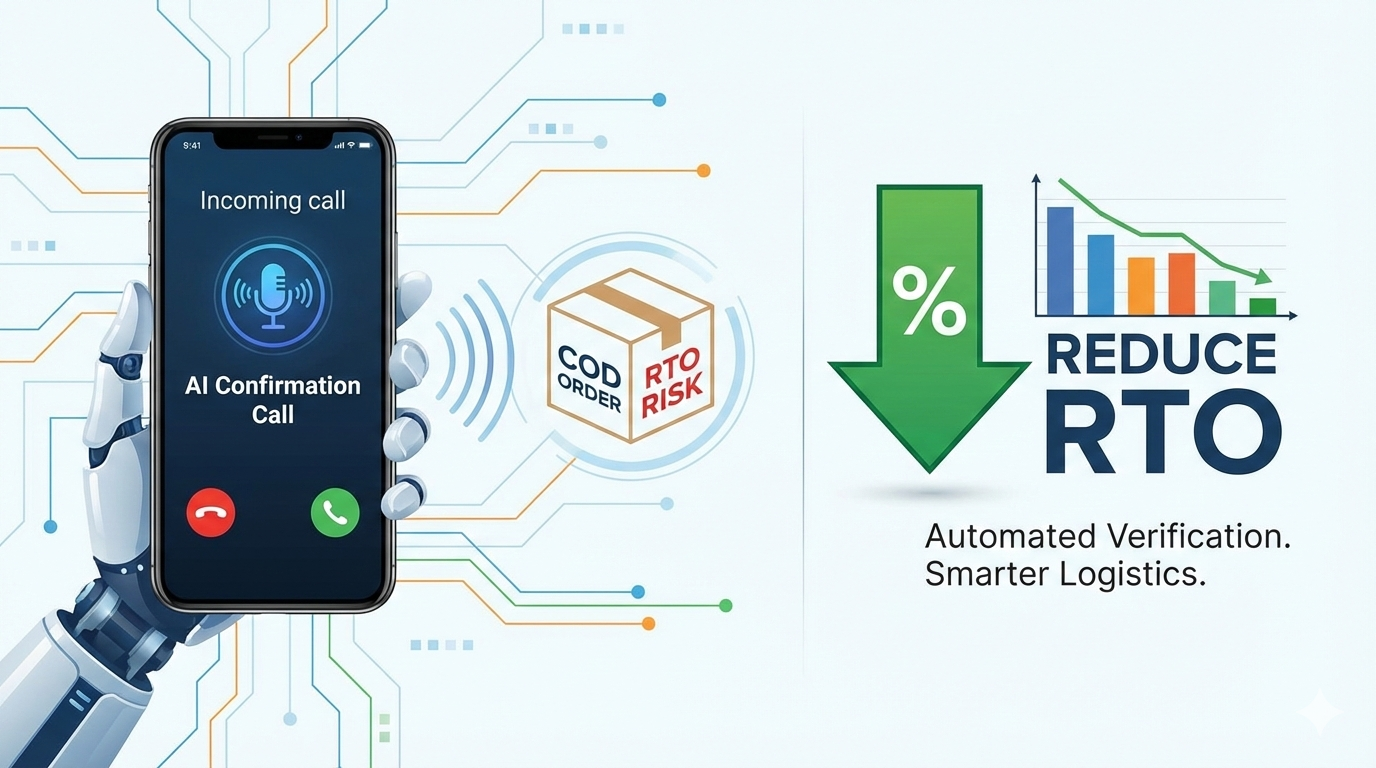
AI Voice Call for COD Confirmation – Does It Really Reduce RTO?
Does AI voice COD confirmation really reduce RTO? Explore real impact, cost analysis, automation logic & ROI comparison for ecommerce brands.
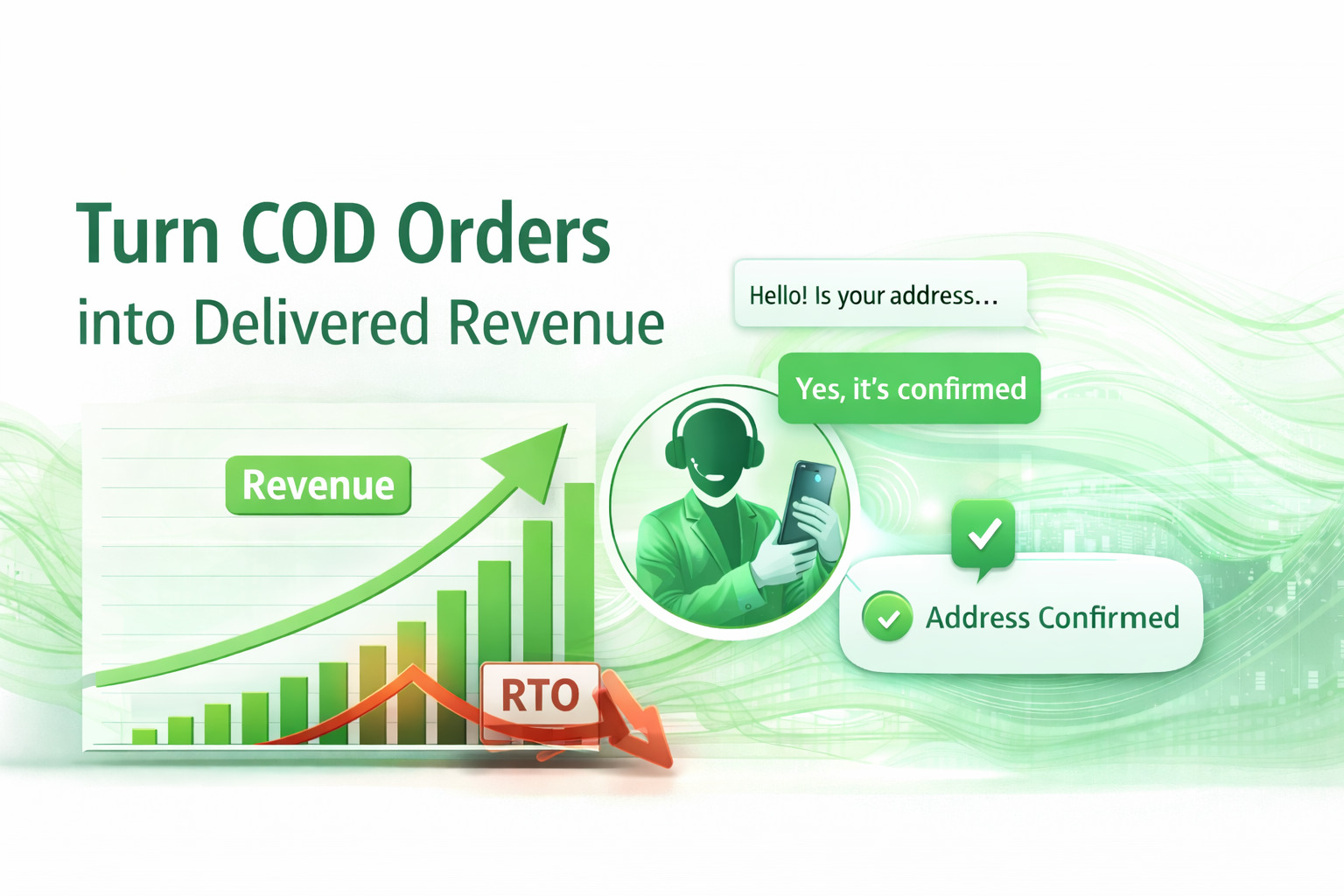
AI Voice for COD Confirmation: Does It Work?
Discover how AI voice agents confirm COD orders, reduce RTO, and improve delivery success for ecommerce brands. Data-backed insights inside.