
Abandoned Cart Recovery Is Broken — Here’s What AI Does Differently
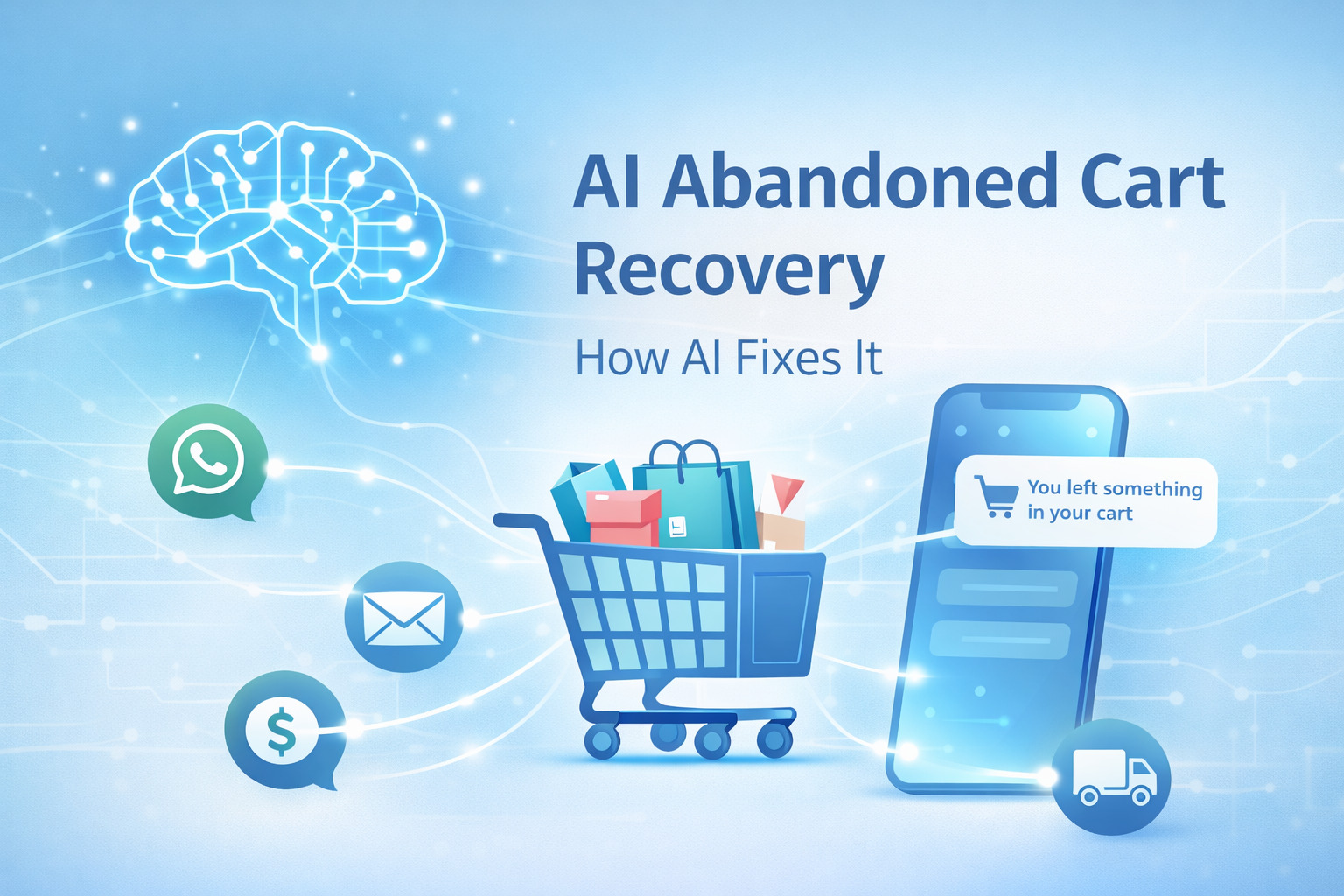
Why Traditional Abandoned Cart Recovery Underperforms
Most ecommerce stores already run cart recovery campaigns using email or WhatsApp. These typically follow a predictable structure:
- A reminder after a fixed delay
- A second nudge with urgency
- A discount if the cart remains abandoned
This approach assumes all shoppers abandon carts for the same reason. In reality, cart abandonment is caused by different types of hesitation, not a single problem.
Automation exists, but understanding does not.
The Core Issue: Rule-Based Logic vs Customer Intent
Traditional cart recovery systems operate on rules such as:
- Send message after 30 minutes
- Apply discount after 24 hours
- Repeat the same copy for all users
These rules do not account for:
- Whether the shopper was comparing prices
- Whether payment options caused friction
- Whether delivery timelines created doubt
- Whether the user typically responds on WhatsApp or email
As a result, brands send more messages but resolve fewer decisions.
How AI-Driven Cart Recovery Works Differently
AI-driven cart recovery replaces fixed rules with behavior-aware decision-making.
1. Intent Recognition
AI evaluates signals like:
- Time spent on checkout
- Interaction depth
- Purchase history
- Past engagement behavior
This helps determine why the cart was abandoned, not just when.
2. Channel Intelligence
Instead of defaulting to a single channel, AI selects the channel most likely to get a response based on historical user behavior.
3. Contextual Messaging
Messages are adapted based on intent:
- Delivery reassurance
- Payment assistance
- Trust signals
- Stock or availability clarity
The cart stays the same. The message changes.
4. Adaptive Timing
AI does not rely on fixed schedules. It learns when users typically respond and triggers messages during high-probability engagement windows.
The Real Shift: From Reminders to Decision Support
Cart abandonment is not a failed checkout.
It is a paused decision.
Rule-based systems chase the shopper.
AI-driven systems help complete the decision.
That distinction explains why intelligent cart recovery outperforms traditional automation without increasing message volume.
Final Takeaway (Snippet-Ready)
Abandoned cart recovery is ineffective when it relies on static rules. AI-driven cart recovery improves conversions by understanding customer intent, selecting the right channel, personalizing context, and timing outreach intelligently.
FAQ
1. What is abandoned cart recovery?
Abandoned cart recovery is the process of re-engaging shoppers who add products to their cart but leave without completing checkout, using messages such as email or WhatsApp.
2. Why does abandoned cart recovery fail for most ecommerce brands?
It fails because most systems are rule-based and send generic messages without understanding customer intent, hesitation reasons, or preferred communication channels.
3. How is AI cart recovery different from traditional cart recovery?
Traditional cart recovery follows fixed rules and timing. AI cart recovery analyzes behavior and intent to decide what message to send, when to send it, and on which channel.
4. Does AI cart recovery rely on discounts?
No. AI cart recovery focuses on resolving friction such as delivery concerns, payment issues, or trust gaps rather than defaulting to discounts.
5. Is AI-driven cart recovery suitable for all ecommerce stores?
AI-driven cart recovery works best for stores with consistent traffic and repeat visitors. Very low-traffic stores may see limited benefits due to insufficient behavioral data.
8x Return On WhatsApp Ads Spend.
Book a demo and we will get you started on proven WhatsApp marketing strategies
Table of Contents
Related Articles
View all
WhatsApp Marketing for Apparel & Fashion D2C Brands: How to Drive Repeat Purchases
WhatsApp Marketing for Health & Wellness D2C Brands: Strategies That Work
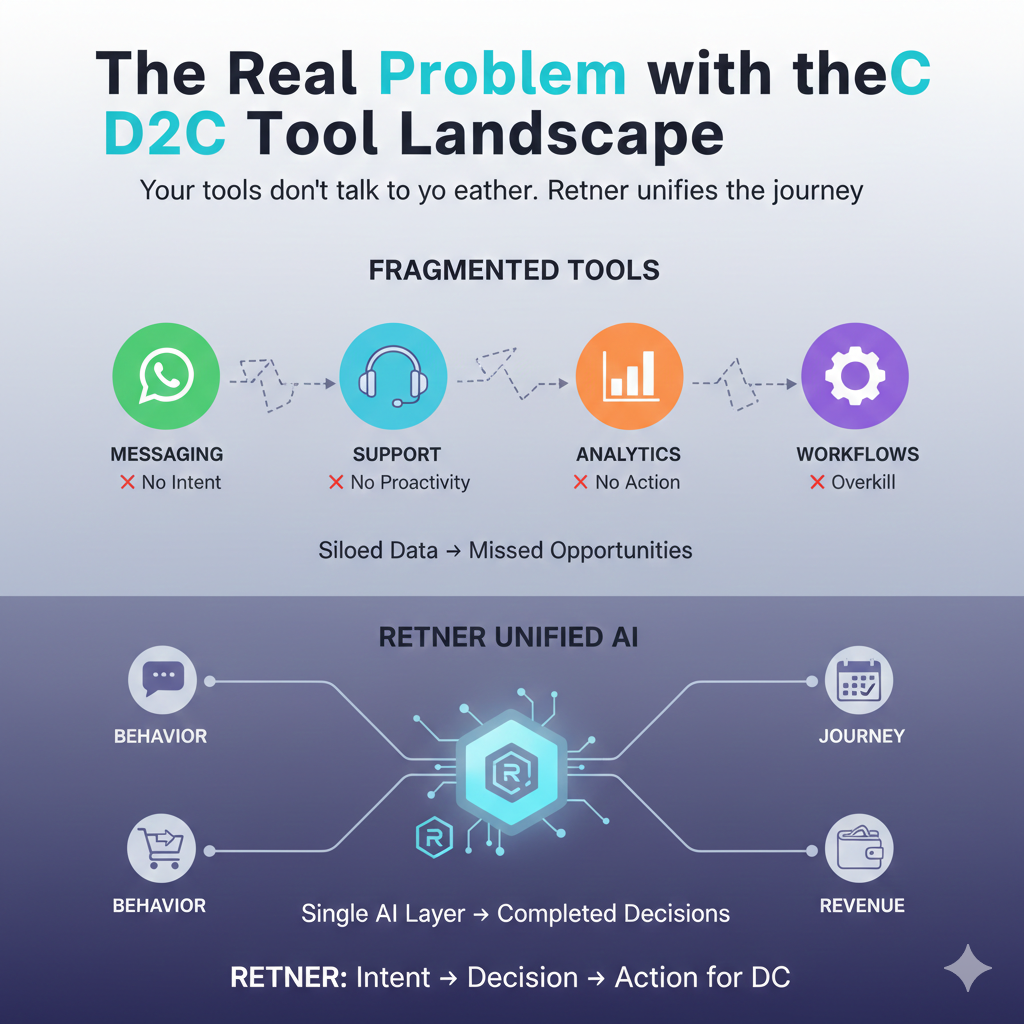
Why Most D2C Tools Solve One Problem — and Why Retner.ai Solves the Whole Journey
Compare D2C tools and learn why Retner unifies intent, behavior, and automation into one affordable AI platform for startups and growing brands.
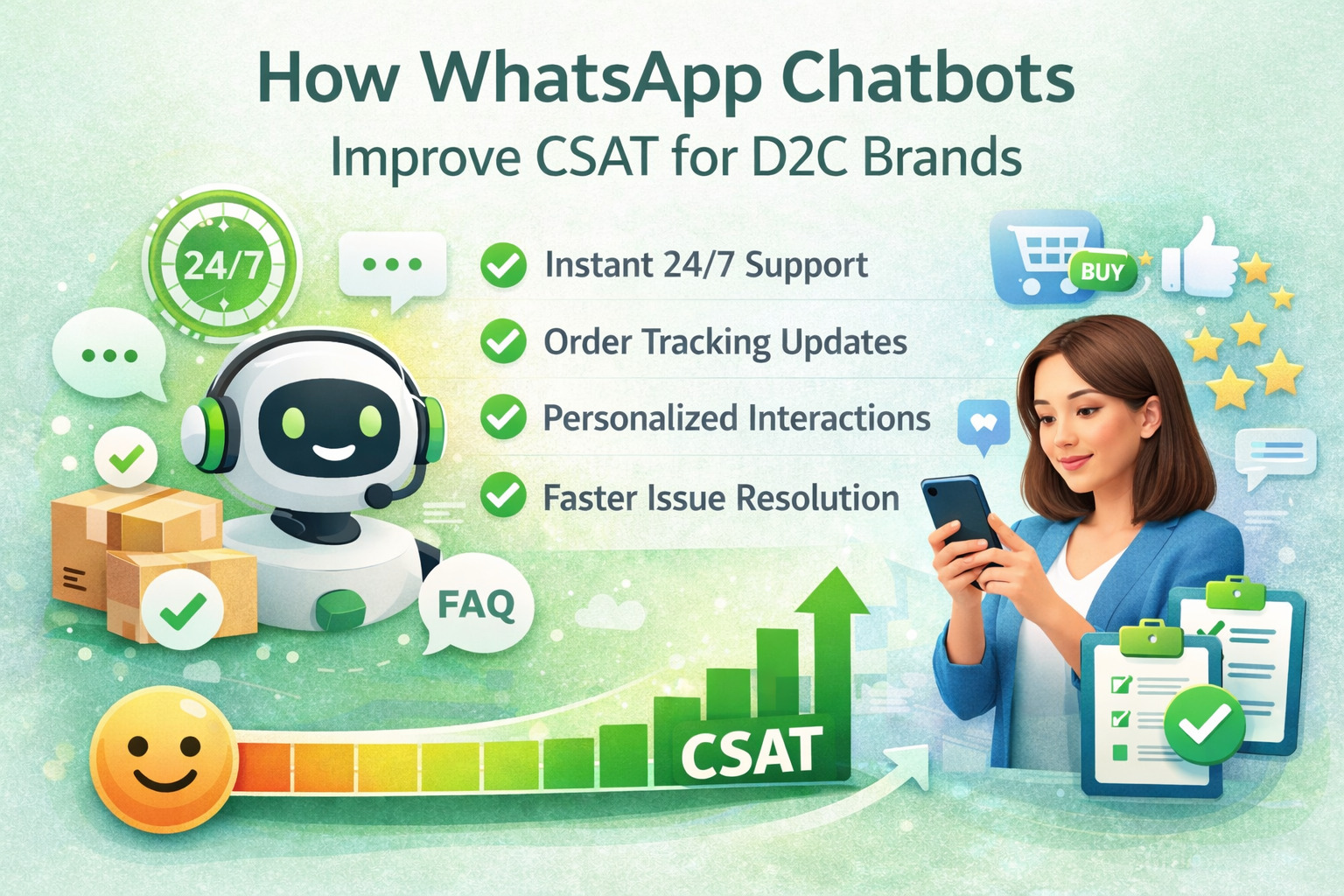
How WhatsApp Chatbots Can Improve Customer Satisfaction Scores for D2C Brands
WhatsApp chatbots help D2C brands improve customer satisfaction by delivering instant, 24/7 support, faster issue resolution, personalized interactions, and seamless order tracking—leading to higher CSAT, retention, and loyalty.