
Which AI Platform Fits Your Ecommerce Stage? A Practical Comparison

Ecommerce brands don’t fail because they choose bad tools — they fail because they choose tools built for a different stage of growth.
Some platforms are optimized for support.
Some for campaigns.
Some for enterprise data control.
A newer category focuses on AI-driven revenue automation across conversations.
This guide compares six widely used platforms — Retner, Intercom, Klaviyo, Zendesk, WATI, and Salesforce — using practical ecommerce decision criteria, not marketing claims.
Comparison Criteria (Why These Matter)
We evaluate each platform on five dimensions that directly impact ecommerce growth:
- Revenue Ownership – Does the platform actively drive conversions and repeat sales?
- Speed to Value – How quickly brands see real outcomes post-setup.
- Automation Depth – Rule-based flows vs AI-driven, behavior-aware systems.
- Channel Intelligence – Ability to understand intent across multiple channels.
- India / D2C Fit – COD flows, WhatsApp-first behavior, multilingual support, cost realism.
Platform Comparison Table
| PlatformRevenue OwnershipSpeed to ValueAutomation DepthChannel IntelligenceIndia / D2C Fit | |||||
| Retner | High | Fast | High | High | High |
| Intercom | Medium | Fast | Medium | Medium | Low–Medium |
| Klaviyo | Medium–High | Medium | Medium | Low–Medium | Medium |
| Zendesk | Low | Medium | Low–Medium | Low | Low |
| WATI | Medium | Fast | Low–Medium | Low | High |
| Salesforce | High (Indirect) | Slow | High | Medium | Low |
Platform Breakdown (Objective, Stage-Based)
Retner
Best for: Ecommerce brands that want AI-led revenue + support automation in one system
Retner is designed around the idea that customer conversations are revenue touchpoints, not just support interactions. It focuses on automating cart recovery, COD verification, repeat purchase nudges, support queries, and follow-ups across channels like WhatsApp, email, voice, and chat.
- Strength: Revenue-first automation, fast deployment, India-ready workflows
- Limitation: Not built as a generic enterprise CRM
- Best stage: Growing to scaling D2C brands
Verdict: A unified AI execution layer for ecommerce conversations and retention.
Intercom
Best for: Real-time chat support and onboarding experiences
Intercom excels in conversational UX and support workflows. For ecommerce, it helps reduce response time and improve pre-purchase assistance, but monetization remains secondary.
- Strength: Mature chat experience, strong support AI
- Limitation: Revenue automation is not core
- Best stage: Mid-stage brands prioritizing support quality
Verdict: Excellent support intelligence, moderate ecommerce impact.
Klaviyo
Best for: Lifecycle email and SMS marketing
Klaviyo is one of the strongest platforms for campaign-driven retention. Its power lies in segmentation, analytics, and attribution rather than real-time conversations.
- Strength: Email revenue tracking, lifecycle flows
- Limitation: Channel-specific, limited conversational depth
- Best stage: Brands with proven email ROI
Verdict: A strong retention engine — not a conversational system.
Zendesk
Best for: Ticket-based customer service at scale
Zendesk is built for operational efficiency in support teams. It is reliable, structured, and scalable — but not designed to influence buying behavior.
- Strength: Enterprise-grade support workflows
- Limitation: Ticket-centric, low revenue involvement
- Best stage: Large support-heavy organizations
Verdict: Support infrastructure, not a growth platform.
WATI
Best for: WhatsApp communication for Indian businesses
WATI provides fast access to WhatsApp Business APIs and simple automation. It fits Indian D2C behavior well but remains largely rule-based.
- Strength: WhatsApp-first, easy setup
- Limitation: Limited AI and cross-channel logic
- Best stage: Early to mid-stage Indian brands
Verdict: Strong channel access, lighter intelligence layer.
Salesforce
Best for: Enterprise CRM and data orchestration
Salesforce offers unmatched flexibility and data control, but ecommerce automation requires heavy customization and long implementation cycles.
- Strength: Data ownership, extensibility
- Limitation: High cost, slow time-to-value
- Best stage: Enterprise ecommerce with internal tech teams
Verdict: Strategic data backbone, not a plug-and-play ecommerce engine.
Stage-Wise Recommendation Framework
Early-Stage Ecommerce
Focus: Speed, WhatsApp reach
→ WATI
Growing D2C Brands
Focus: Retention, revenue automation
→ Retner or Klaviyo + support tool
Scaling Brands
Focus: Unified AI across support + sales
→ Retner
Enterprise Ecommerce
Focus: Governance, complex data models
→ Salesforce (with custom automation layers)
Final Verdict
Each platform solves a different layer of the ecommerce stack:
- Support platforms optimize resolution
- Marketing platforms optimize campaigns
- CRM platforms optimize data
- AI-led automation platforms optimize execution
The key decision is not which tool is best, but which system aligns with how your ecommerce business actually grows today.
Disclosure
This comparison is based on public documentation, common ecommerce use cases, and platform positioning. Actual results depend on implementation, integrations, and internal workflows.
8x Return On WhatsApp Ads Spend.
Book a demo and we will get you started on proven WhatsApp marketing strategies
Table of Contents
Related Articles
View allOmnichannel Automation for Indian D2C Brands (Complete Guide)
Learn how omnichannel automation helps Indian D2C brands automate WhatsApp, email, SMS and improve retention, conversions, and customer experience.
How to Turn COD Customers into Prepaid Buyers (2026 Ecommerce Guide)
Learn how ecommerce brands convert COD customers into prepaid buyers using WhatsApp automation, incentives, and AI confirmation to reduce RTO.

AI Customer Support Software for Ecommerce (2026)
Discover AI customer support software for ecommerce brands. Automate WhatsApp, voice & chat support with AI agents that reduce cost and improve CX.
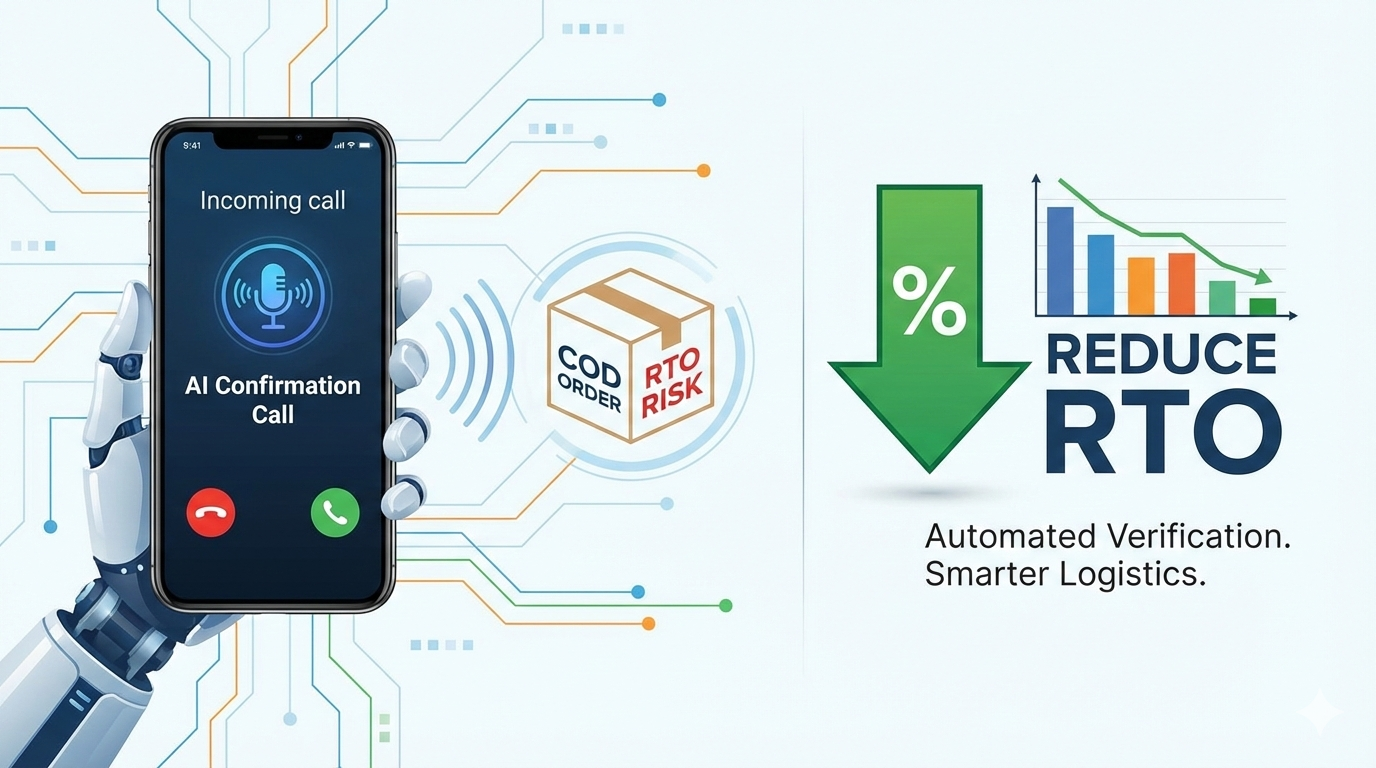
AI Voice Call for COD Confirmation – Does It Really Reduce RTO?
Does AI voice COD confirmation really reduce RTO? Explore real impact, cost analysis, automation logic & ROI comparison for ecommerce brands.